
The core of Larks (Ohio University Press, April 2025) is rural and mythic and true, existential and domestic, tender while full of sharp grief and documentation. Circling genealogies of silence and harm in a Southern family, Larks centers on the relationship and memories of three sisters and Ovid’s telling of Philomel. In a landscape inhabited as much by farm animals (cows, goats, chickens, and barn kittens) as by the family, the lyric poem parses and articulates the self’s history—from the experience of a sister’s home birth to the traumatic erasure (and recovery) of the speaker’s memory. A work of poetic memoir, Larks asks if poetry can hold the heaviest truths we carry. The answer is a resounding yes.
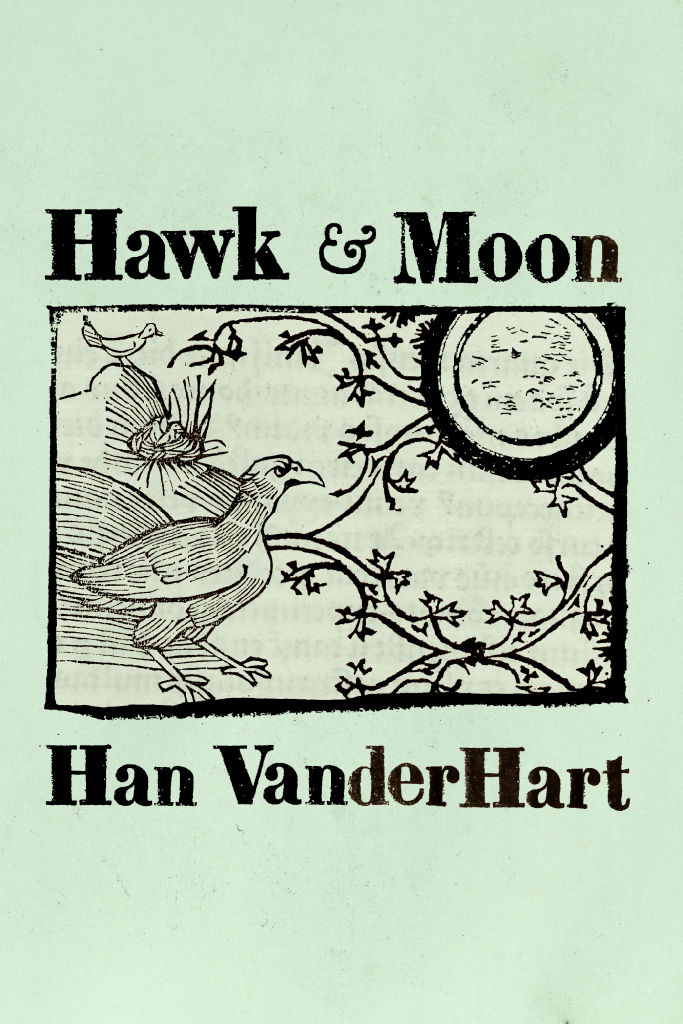
Hawk & Moon is a collection of intimate attachment, orbiting the images of the hawk and the moon as it circles human desire, the phases of the moon, and the haiku form. Like the haiku poets, ordinary life and its images are essential to these poems: the “braids floating / down the road / in late summer,” the meal moths flying out of the pantry, the ripe blackberry and “the flower before it [. . .] the thorn after.”
“I found it remarkable that Larks has such an ethereal way with such heavy subject matter. I found it therapeutic, too, recalling how sun and sky and birdsong lifted the burdens of my own excruciating childhood. Larks is not a book I needed to ponder or analyze. I felt it in my soul, immediately, intimately. […] The craft of VanderHart’s poetry is exceptional.“
Dana Delibovi, Cable Street
“Most of [the poems in Larks] are as concise as a honeysuckle. There’s something ineffably Southern in not just landscape and subject matter, but diction and syntax.“
Chris Corlew, Shipwrecked Sailor
“Throughout Larks, VanderHart explores the parallels between their psychology, their body, and the body of the earth. Looming pine trees shadow their hurried excursions from the farmhouse, hurricanes of rage sweep through them, and, most importantly, birds from hawks to nightingales to larks glide through the poems.”
Eleanor Ball, Door is a Jar Magazine
“One of the mysteries of grief is that life goes on. A mystery of memory is that it goes missing, and that it comes back. VanderHart preserves much of the mystery even as the narrative becomes clearer. The mystery isn’t what happened; it is how such pain can sit among such beauty.”
J-T Kelly, periodicities: a journal of poetry and poetics
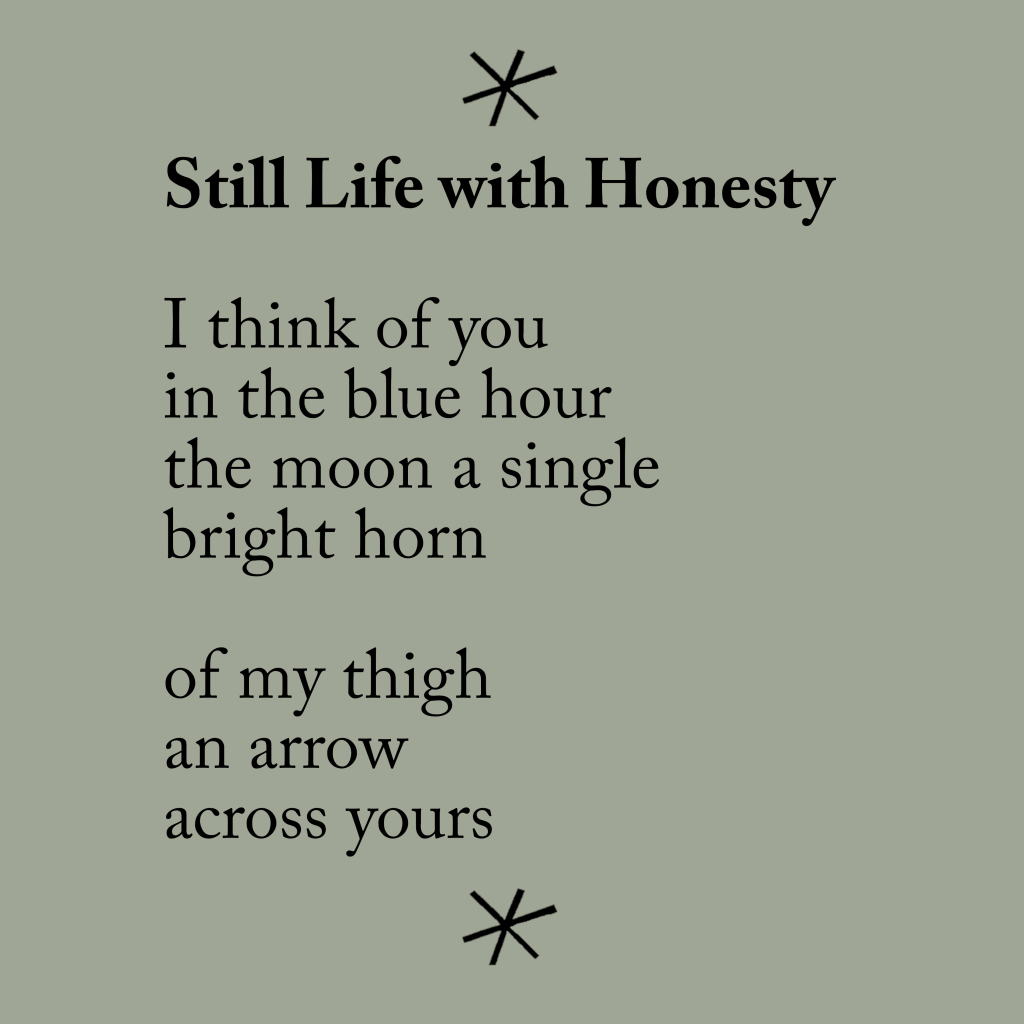
Examining ego and poetry-making, Iris Murdoch’s philosophy and the fantasy of the self, the poems in Hawk & Moon embrace the human condition of being moon-touched, open themselves up to wrongness, to confession, to love songs for child, brother, and lover. Whether listening to a barking dog or watching the hawks fight in the loblolly pine trees above the house, the lyric of these poems is rooted deeply in the dramatic local and the observing heart.
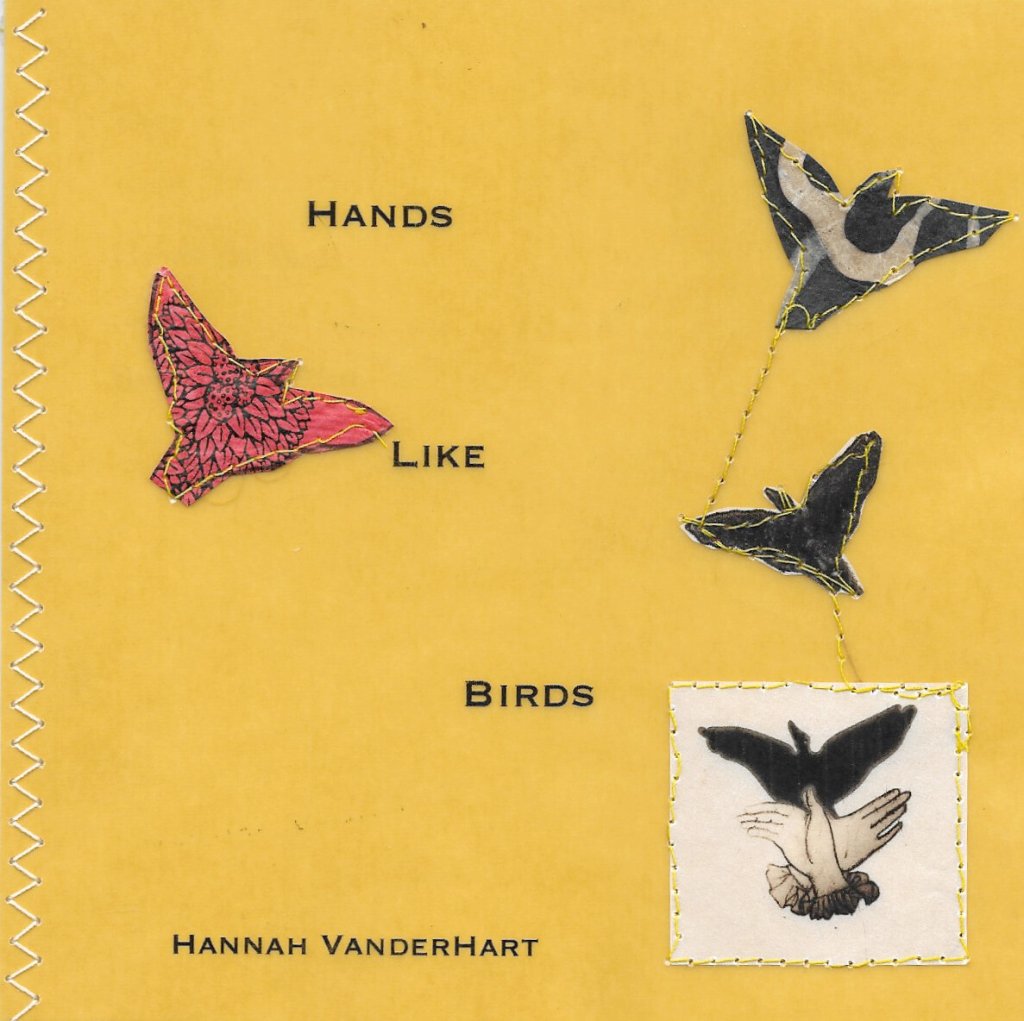
Ethel Zine Press, 2019 - Sold Out

Dialogue
Judith and her Maidservant (1613-14)

Where shall we put the head?
It drips through the basket.

Put your hair in braids tonight, my love.
Set pearls in your ears.

We have tasks. Tasks that require
a weapon. Tie your laces. Bring

a basket. Bring your mother’s
basket, the one that could hold

a pig’s head. Bring a white cloth.
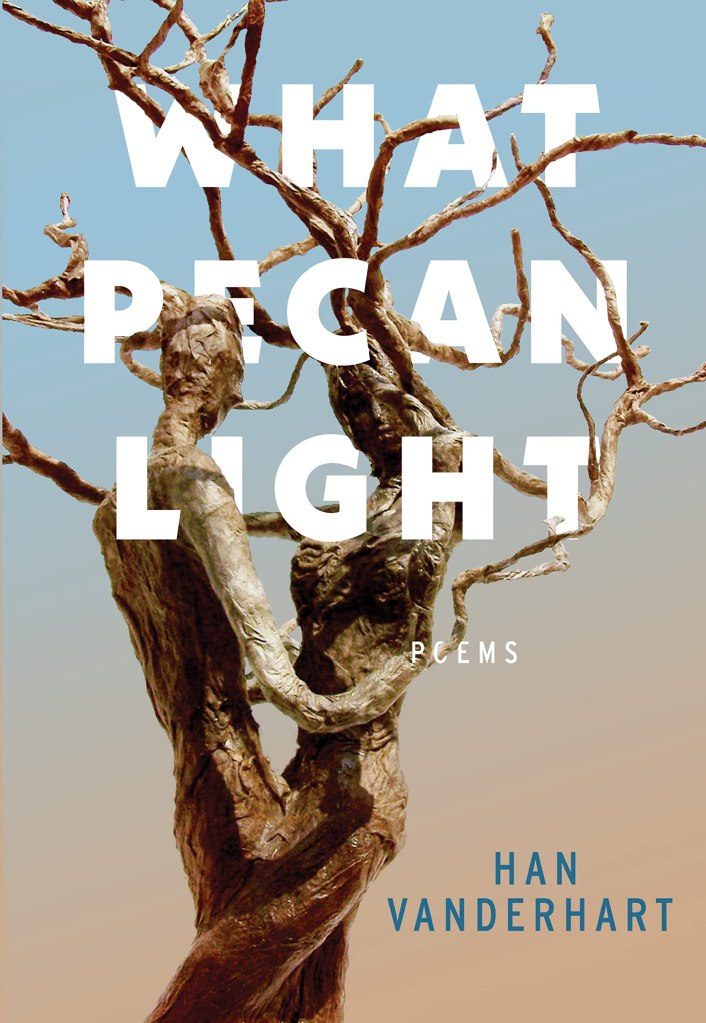
With attention to the histories that make and sustain a family—its generations, its roots in certain soils—What Pecan Light (Bull City Press, 2021) exhumes a family’s long entwinements in the South and whiteness. Excavating the economic, agricultural, and military roots of the speaker’s family tree, the poems of this collection unearth the speaker’s complicity in the institutions of whiteness: “I was willing / to love a polluted thing.” Working against a narrative of innocence, the poems engage the abiding symbol of the Confederate flag, the historical fact of an enslaving, plantation-owner great-grandfather, and the enduring harm of racial violence.
 Han VanderHart